Professional Development

Comedy Acting Training

We teach performers how to build comedic characters with depth, precision, and timing that lands with any audience.

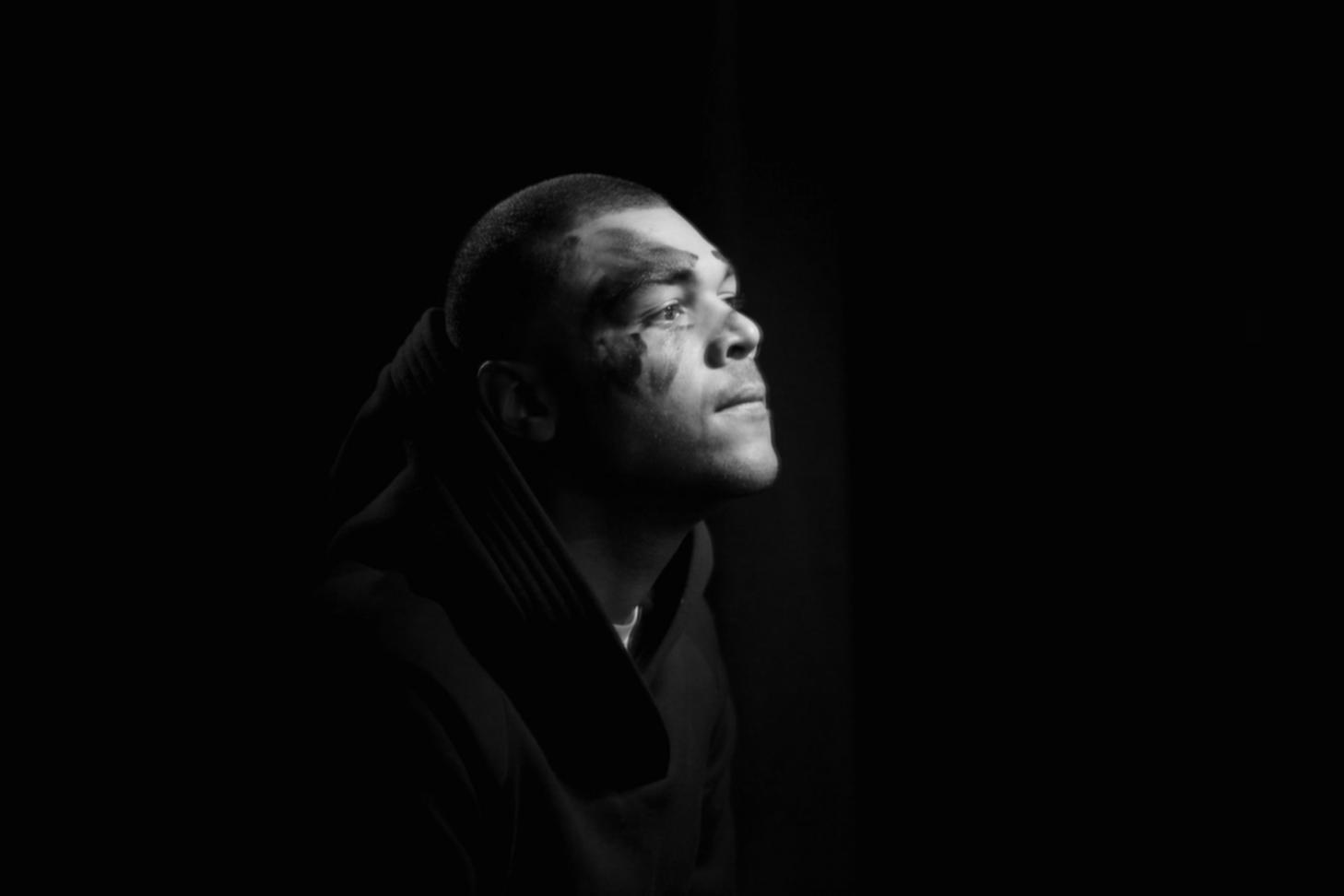
Professional comedy acting instructor demonstrating technique

Four Pathways to Stage Presence

Each program addresses a specific aspect of comedic performance. Choose based on your current skill level and the area where you want to grow.

Character Architecture

Learn how to construct comedy personas that feel consistent across scenes and remain memorable long after performance.

  • Physical gesture vocabulary development
  • Voice modulation and accent consistency
  • Backstory construction for believability
  • Reaction patterns and emotional logic

Timing Precision

Master the pauses, accelerations, and rhythm shifts that transform decent material into genuinely funny moments.

  • Pause length calibration for different joke types
  • Pace control during setup and punchline
  • Audience reading and adjustment speed
  • Beat recognition in written and improvised work

Scene Partnership

Build skills for working with other actors in comedy duos, ensembles, and improvised situations where chemistry matters.

  • Active listening under performance pressure
  • Status games and power dynamic shifts
  • Offer acceptance and escalation techniques
  • Space sharing without upstaging

Physical Comedy Mechanics

Explore how body movement, spatial awareness, and physical exaggeration create laughs without relying solely on dialogue.

  • Fall technique and injury prevention
  • Exaggeration scaling for different venues
  • Object interaction and prop manipulation
  • Movement contrast for comedic effect
Comedy acting training session in progress

How Training Sessions Work

  1. Skill Assessment

    We watch you perform a prepared piece and improvise a short scene. This shows us where you already excel and which areas need targeted work.

  2. Technique Drills

    Each session includes focused exercises on specific skills. You repeat variations until the technique becomes automatic rather than deliberate.

  3. Scene Application

    You apply new techniques in actual performance contexts. We provide immediate feedback on what worked and what needs adjustment before the next attempt.

  4. Recording Review

    All training sessions are recorded. You review your performance between classes to identify patterns you cannot see while performing.

  5. Progress Documentation

    We track improvement across 18 specific metrics. This data helps us adjust the training approach as your skills develop.